

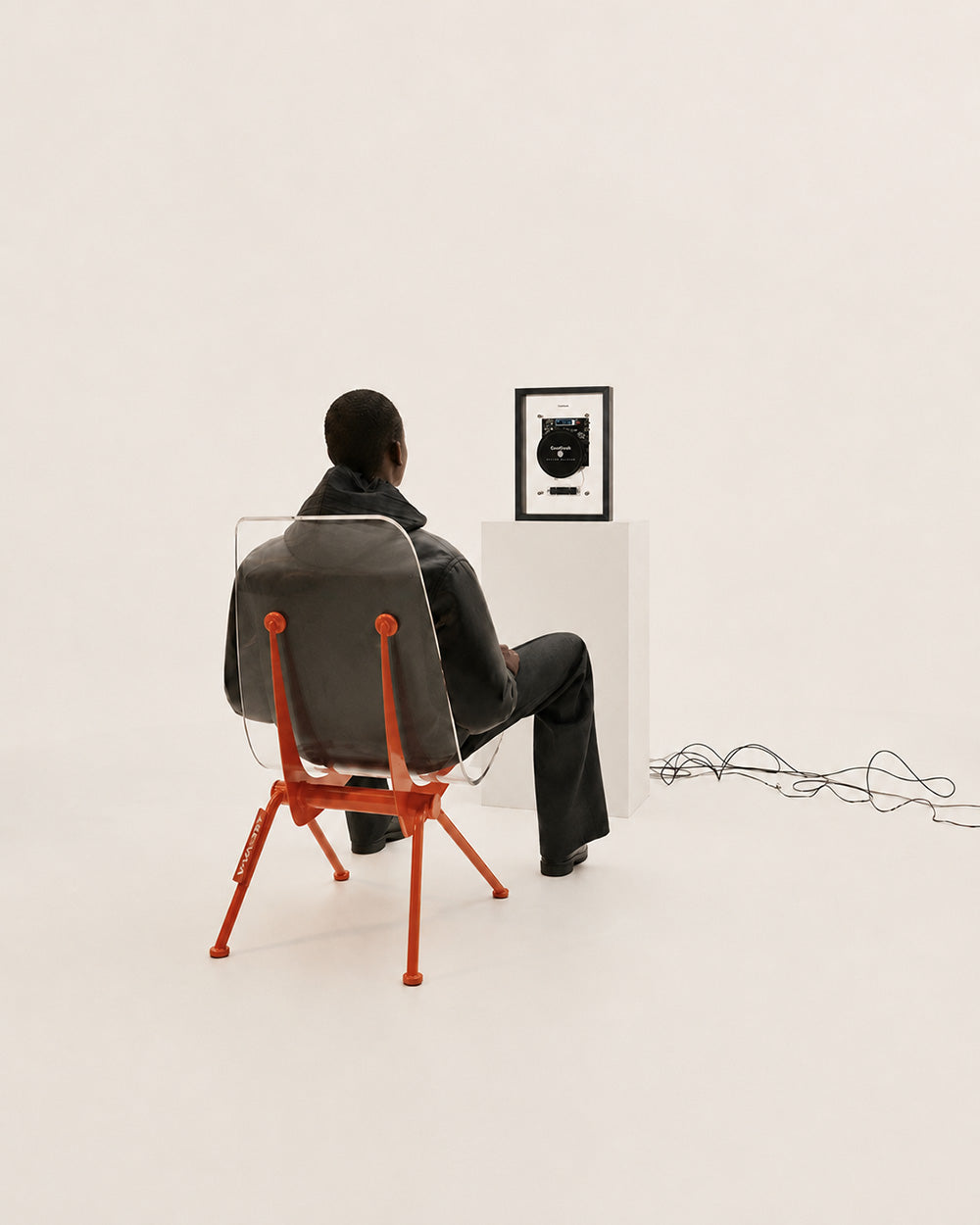
In a streaming-first world, CDs and vinyl are no longer just nostalgia. They are ownership, ritual, memory, and a way for music to truly live in the home.

In the age of Spotify, Apple Music, algorithmic playlists, and instant access to almost every recording ever made, it is fair to ask a simple question:
why are we still designing products for CDs and vinyl records?
After fifty years of living with turntables, cartridges, tonearms, optical pickups, motors, speakers, cabinets, vibrations, and rooms, my answer is simple:
because music was never meant to be only a file.
Music is sound, of course. But it is also memory. It is a sleeve, a disc, a machine, a surface, a ritual, a shelf, and a moment we choose to slow down for.
Streaming has changed music forever, and that is not a bad thing. It gives listeners convenience, discovery, scale, and access.
According to IFPI’s Global Music Report 2026, global recorded music revenues reached US$31.7 billion in 2025, with total streaming revenues surpassing US$22 billion and accounting for 69.6% of global recorded music income.
Paid streaming subscription accounts reached 837 million worldwide.
Streaming is clearly the center of today’s music economy.
But the same IFPI report also showed that physical formats returned to growth, rising 8.0% globally, with vinyl growing 13.7% and achieving its nineteenth consecutive year of growth.
Convenience did not erase the desire for touch. It made that desire more meaningful.

The United States tells the same story from another angle. RIAA reported that U.S. recorded music reached a record wholesale high of US$11.5 billion in 2025.
Streaming revenues grew to US$9.5 billion and represented 82% of total U.S. revenue for the fifth straight year. Yet vinyl continued to grow for the nineteenth consecutive year, surpassed US$1 billion in U.S. sales, and sold 46.8 million units versus 29.5 million CDs.
These numbers do not suggest that physical music is replacing streaming. They suggest something more interesting: streaming is how people access music, while physical formats are how many people keep music close.
This is the key point. Physical music is not winning because it is more convenient.
It is not. A record must be taken out of its sleeve. A turntable must be placed, leveled, and cared for.
The stylus must meet the groove. A CD must be held, opened, inserted, and played through an optical system. These small actions are precisely the reason physical music matters. They give listening a beginning. They ask the listener to participate.

For anyone who has worked with turntables for decades, vinyl is not a trend; it is a physical relationship with sound.
Speed stability matters. Tonearm geometry matters.
Cartridge alignment, tracking force, resonance control, platter behavior, motor noise, and isolation all matter.
A record is a mechanical conversation between groove and stylus.
It reminds us that music is not abstract. It has weight, friction, movement, and presence.
That is why vinyl continues to resonate with younger listeners as much as older ones.
For older listeners, it often brings back memory.
For younger listeners, it is not only nostalgia, because many did not grow up with vinyl at all. It is discovery.
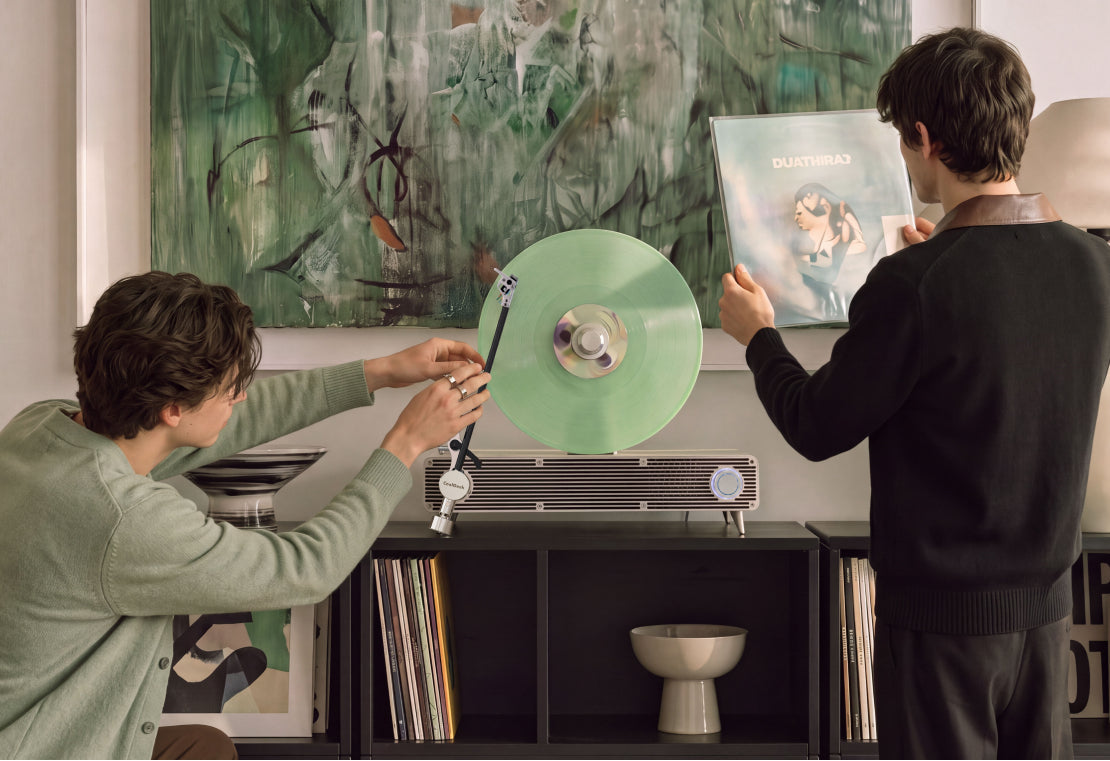
It is a way to own an artist’s world, to see the artwork, to understand the album as a complete object, and to build a personal archive instead of simply saving a playlist.
CDs are experiencing a similar re-evaluation. For years, people treated the CD as a format whose time had passed.
But that view was too simple. Luminate’s 2025 data showed that vinyl was still the most purchased physical music format in the U.S., with 47.8 million vinyl records sold versus 33.8 million CDs.
But the same data also showed that CD sales gained momentum in the second half of 2025:
U.S. CD sales reached 8.3 million units in Q3, up 12.3% quarter over quarter, and 11.4 million in Q4, up 15.8%. CD growth was also supported by K-pop, limited editions, collectible packaging, photo books, and superfan culture.
In other words, the CD is no longer just a storage format. It is becoming an object again.
 This matters because ownership has changed. In the streaming era, most people no longer own the music they hear every day.
They access it. That access is powerful, but it is also invisible. A subscription gives us almost everything, but it rarely gives us a feeling of belonging.
Physical music does something different. A record collection, a CD shelf, or even one album placed beside a player says: this music has stayed with me.
Streaming is how we explore. Physical music is how we keep.
Streaming is the library of the world. Physical music is the shelf of the self.
One is infinite; the other is personal. The healthiest future for music is not choosing one against the other, but understanding what each does best.
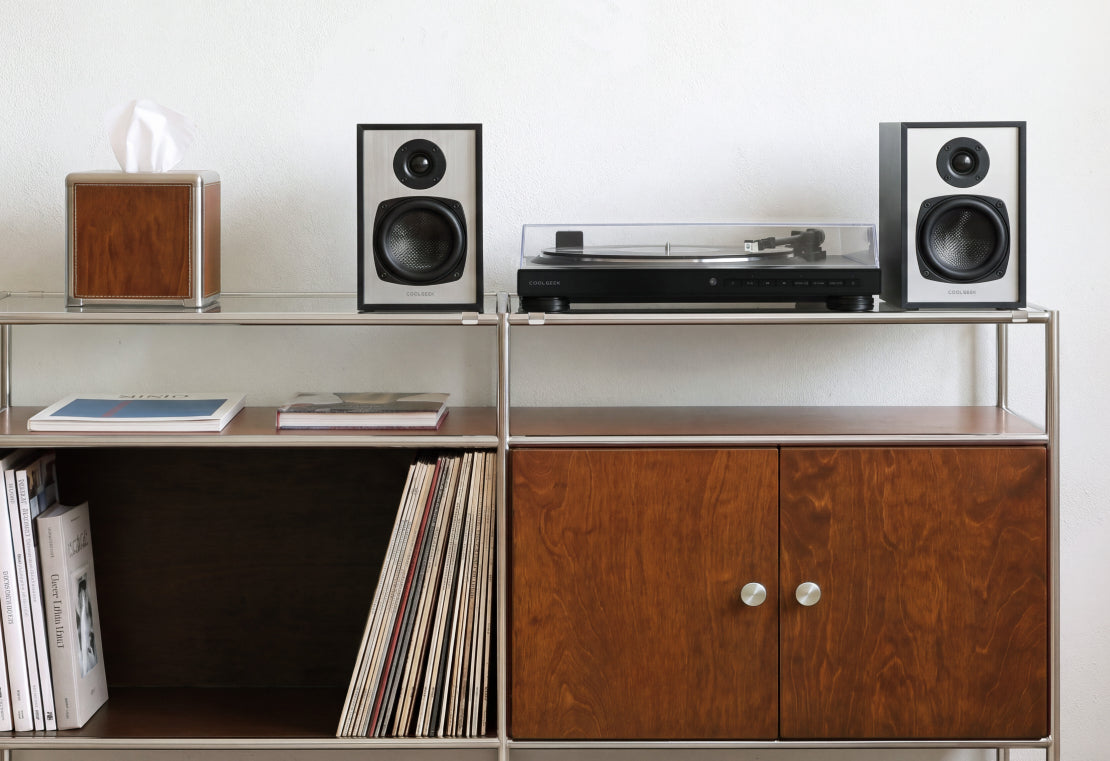
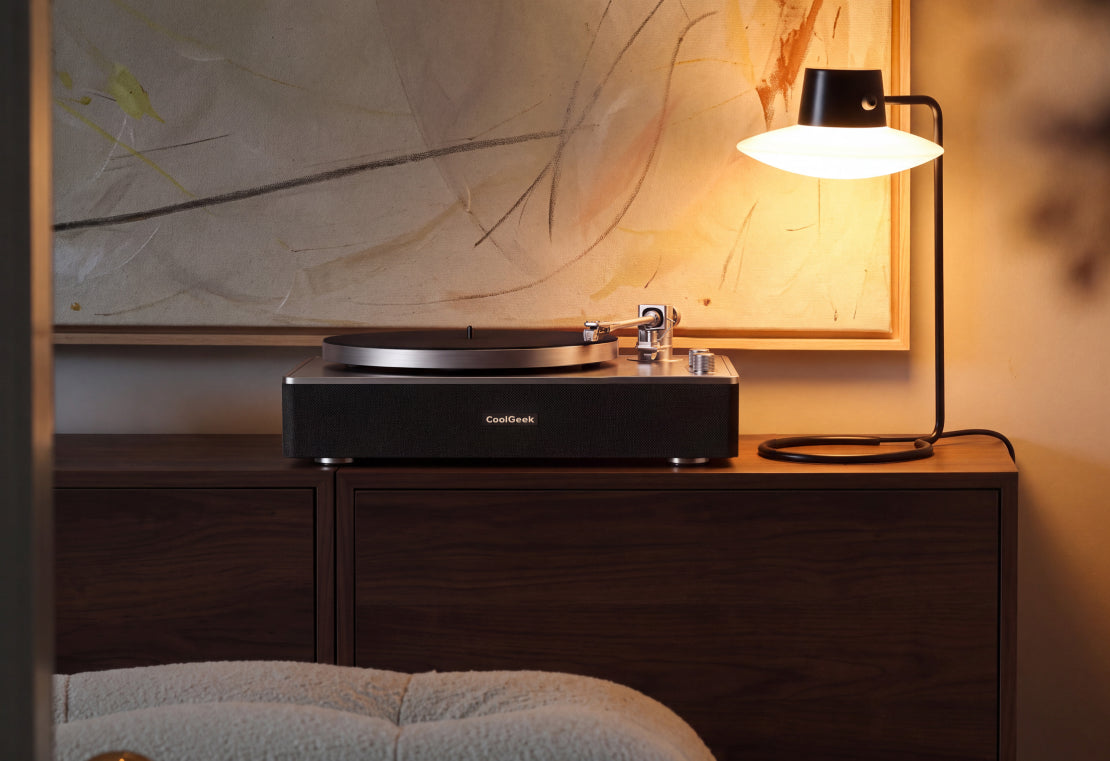
 This is also why physical music belongs naturally in the home. A good listening product is not only a technical device.
It is part of a room. It occupies space, changes the mood, and invites use.
If a product looks too much like laboratory equipment, many people will hide it. If it belongs visually in the home, people will use it more often.
That belief is at the center of COOLGEEK.
We describe our approach as “Sound, Made for Space.” At COOLGEEK, we do not only make audio products; we create objects that shape how sound lives in a room.
Our players are designed around sound, form, and space — made to be heard, seen, and lived with.
 As a product designer, I believe audio products must respect both engineering and emotion.
Speed accuracy, vibration control, optical pickup stability, cabinet structure, signal path, and acoustic performance all matter.
But they are not enough. A product also has to earn its place in daily life.
It has to make people want to listen again.
That is why a CD player should not feel like a forgotten component from the past.
It can become a frame, a visible music object, a way to bring albums back into the room. A turntable should not only play records;
it should create a moment. A music device should not compete with furniture, light, texture, and space. It should complete them.
The physical music comeback is not only happening in one market.
In the U.K., BPI reported that recorded music revenue rose 5.0% to £1.57 billion in 2025. Streaming still dominated, reaching £1.07 billion and accounting for 67.7% of recorded music revenue.
Yet physical sales rose 12.8% to £278.0 million, vinyl revenue grew 19.9% to £174.7 million, and CD revenue returned to growth, rising 3.1% to £99.6 million.
This reinforces the same pattern: streaming remains the foundation, but physical formats are becoming more intentional, collectible, and emotionally valuable.
 The mistake is to think physical music is a rejection of technology.
It is not.
It is a correction of how technology sometimes removes touch, attention, and memory from daily life.
We do not need fewer ways to access music. We need better ways to live with it.
After fifty years, I still believe in physical music because it gives music a body.
It gives sound a place. It turns listening from background consumption into a small ceremony.
And in a world where everything can be played instantly, perhaps the most valuable thing is not access — but attention.
That is why we still believe in physical music.
Share:
How We Designed a Music Device That Belongs in the Room
Why Great Audio Products Should Age Like Furniture