Music has never been easier to access.
We can stream millions of songs instantly, build playlists in seconds, and discover new artists with a single tap. Yet despite this convenience, vinyl records and CDs continue to find their way into homes around the world.
This is not only nostalgia.
According to IFPI’s 2026 Global Music Report, physical music formats grew 8.0% globally in 2025, driven by a 13.7% rise in vinyl, marking vinyl’s 19th consecutive year of growth. Even in a streaming-first world, people still want music they can hold, keep, and return to.
For many listeners, collecting music is not simply about playback. It is about preserving memories, expressing personal taste, and building a collection that grows alongside life.

A Collection Tells Your Story
 Unlike a streaming playlist, a physical collection reflects years of discoveries.
Every album carries a memory.
Perhaps it was your first concert.
A gift from someone special.
A soundtrack to an unforgettable summer.
A record found in a small shop while traveling.
A CD you bought before you fully understood why it mattered.
Over time, your shelves become more than storage. They become a visual diary of the music that shaped you.
A playlist can be changed in seconds. A collection grows slowly. It has gaps, surprises, old favorites, strange phases, and albums you may not play often but still refuse to let go.
That is the beauty of collecting music.
It does not try to contain everything. It records what was worth keeping.
Owning Music Creates a Different Connection
 Streaming offers convenience.
Ownership creates intention.
When you choose an album, place it on a turntable, or slide a CD into a player, listening becomes more deliberate. You are no longer moving through endless options. You are choosing one album, one moment, one mood.
That small decision changes the experience.
A physical album asks you to slow down. It invites you to look at the cover, read the booklet, notice the artwork, and listen from beginning to end. Music becomes less like background content and more like a complete experience.
The U.S. market shows that this connection is still meaningful. RIAA reported that in 2025, vinyl sold 46.8 million units, compared with 29.5 million CDs, while vinyl generated more than three times the revenue of CDs.
These numbers do not mean everyone is becoming a collector. They show something more important: even when music is available everywhere, many people still want music to feel personal, physical, and owned.
Beautiful Collections Deserve to Be Seen
 Many collectors no longer want their albums hidden in boxes or drawers.
A music collection can be part of daily life, not because it is decoration, but because it carries identity.
Records leaning against a shelf, CDs arranged by memory rather than alphabet, a favorite album placed beside a player — these choices say something about the person who lives there.
This is where design matters.
A collection needs more than storage. It needs a way to stay present.
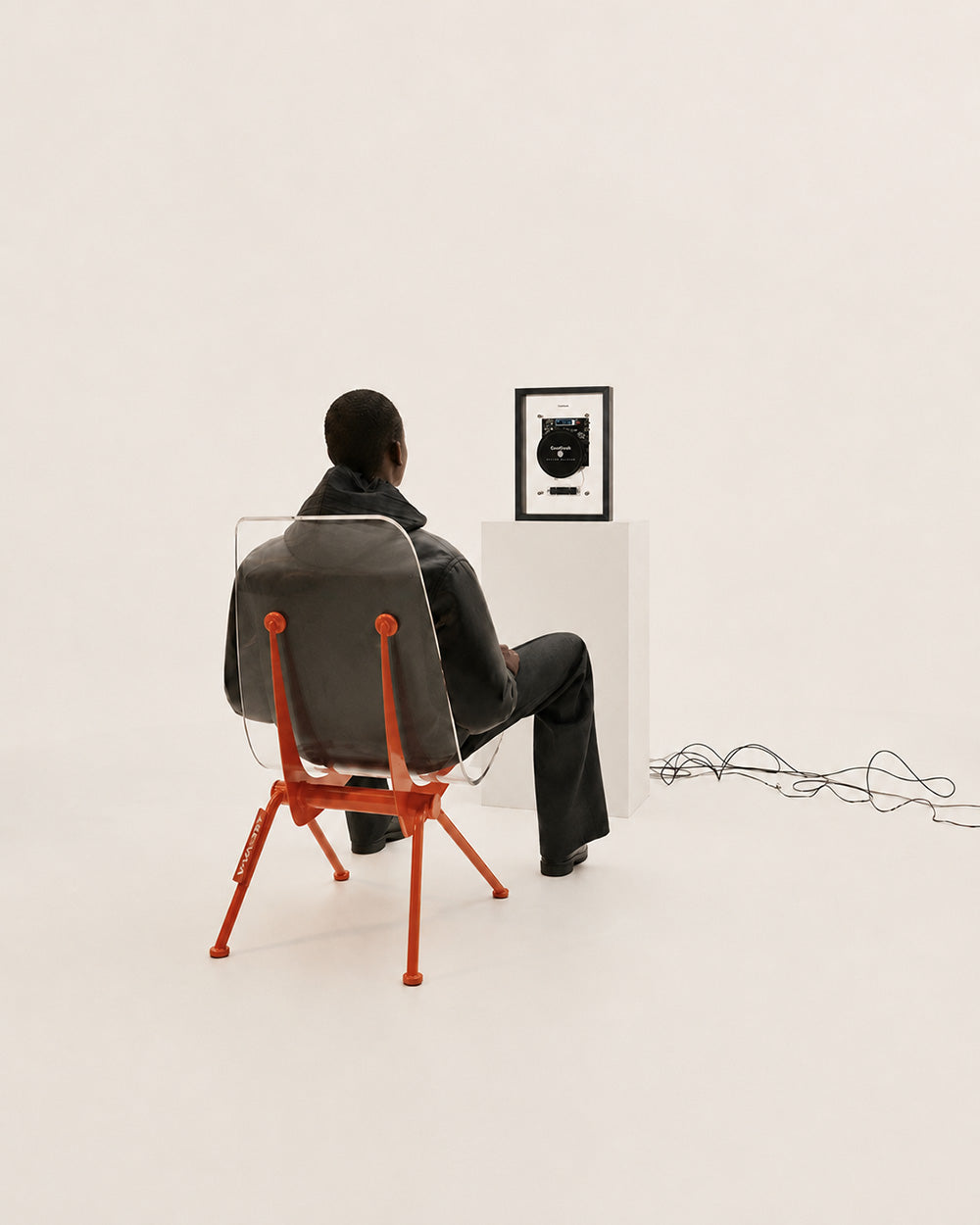
That is why a product like M1 fits naturally into the idea of music collecting. It allows a CD to remain visible even when it is not playing. The album becomes part of the room’s visual language, not just something stored away after use.
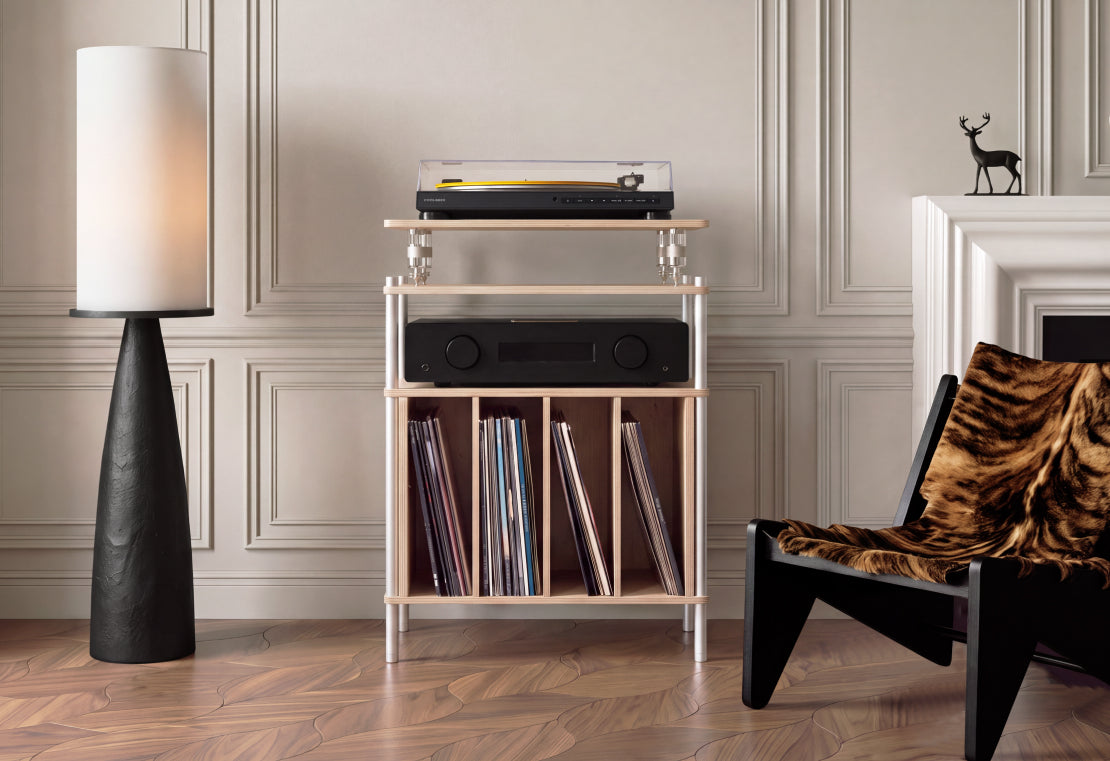
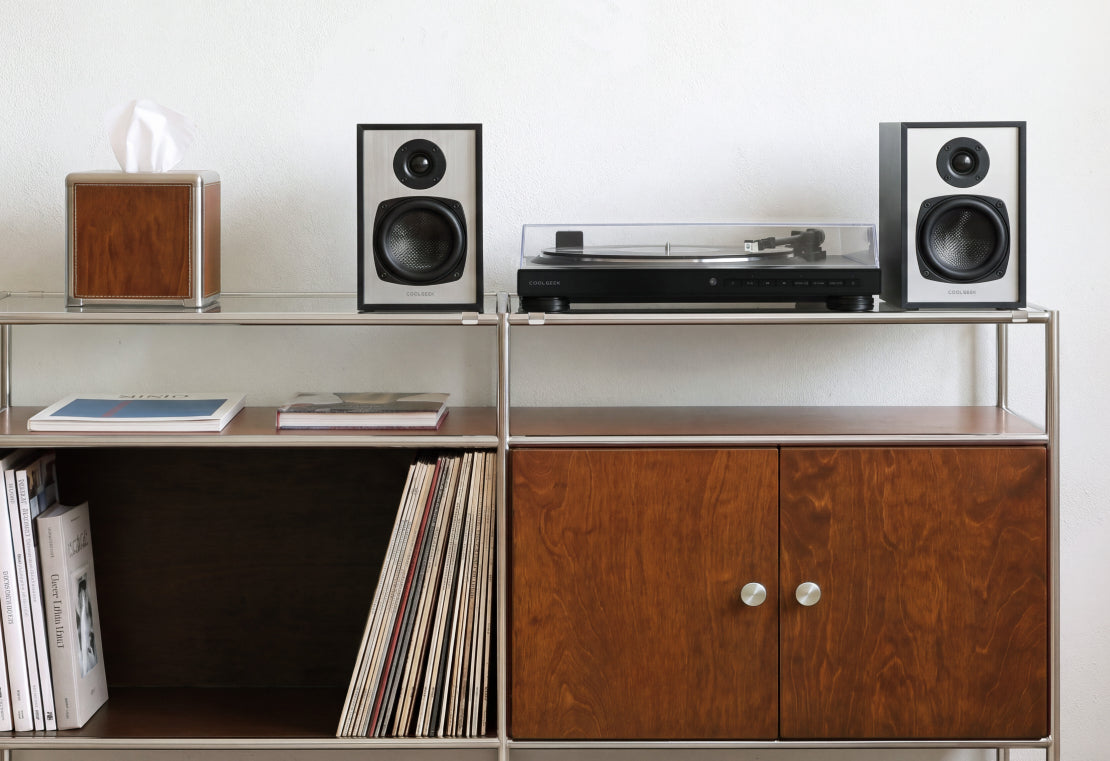
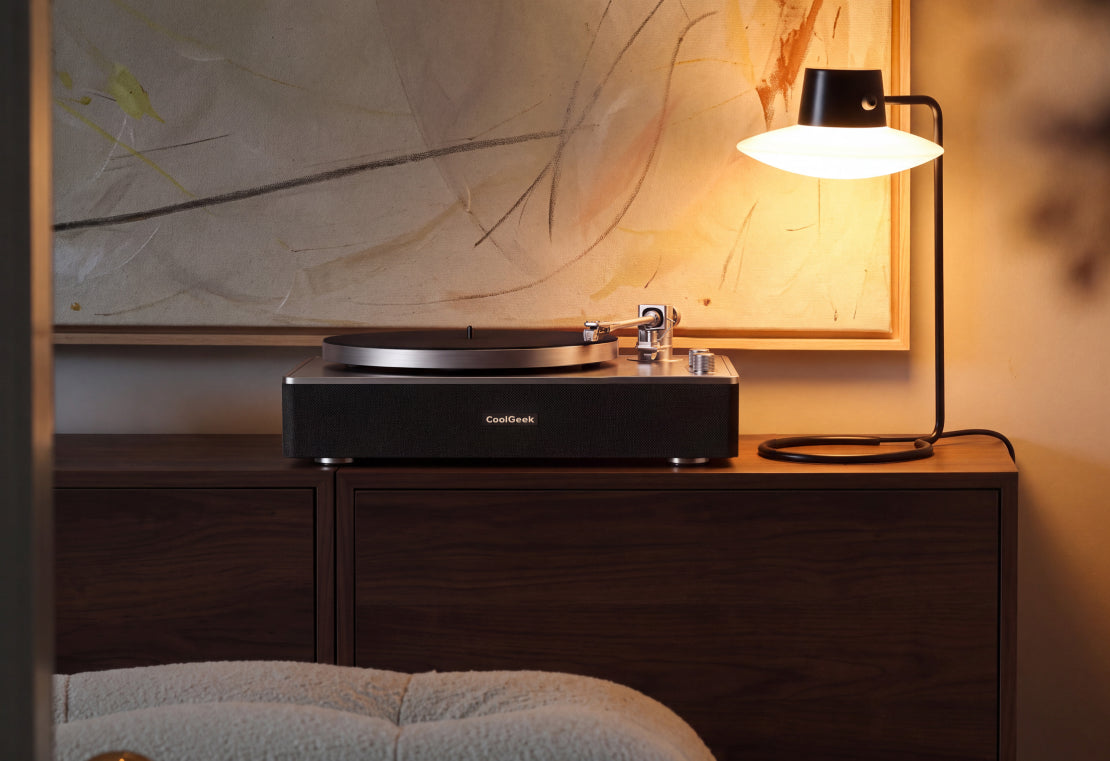
For vinyl lovers, products such as TS-01 and VS-01 can turn the act of playing a record into something tactile and visible. They do not replace the collection. They give the collection a stage.
CoolGeek’s product line includes CD, vinyl, Bluetooth, and home audio products such as M1, VS-01, VS-02, and R1, which supports the broader idea of music living with people rather than disappearing into storage.
Collections Continue to Grow With You

Unlike digital subscriptions, a collection stays with you.
New albums join old favorites.
Genres evolve.
Your taste changes.
Some albums remain important. Others become reminders of who you once were.
This is why collecting music feels different from simply saving songs.
A saved playlist may disappear, change, or be forgotten. A collection grows physically and visibly. It becomes an archive of different versions of yourself.
Collectors are still actively building these archives. Discogs reported that music fans added more than 114.2 million items to their Discogs Collections in 2025, the platform’s largest single year of collecting activity.
That number matters because it is not just a sales figure. It shows that people are still organizing, cataloging, and caring for music as something worth keeping.
A collection does not have to be perfect. It only has to be honest.
It can be carefully arranged or completely chaotic. It can include rare pressings, old CDs, inherited albums, or records bought on impulse.
But together, they say:
This mattered. This stayed. This sound belongs to me.
Conclusion: Music Lasts Longer Than Trends
Technology will continue to evolve.
The way we listen will keep changing.
But the desire to keep meaningful music close has remained remarkably consistent.
Whether it is a treasured vinyl record, a favorite CD, or a player that lets your collection stay visible, collecting music is about creating something personal that lasts.
Streaming helps us discover music.
Collecting helps us keep it.
And in the end, the music we keep often becomes more than sound. It becomes a record of places, people, seasons, and versions of ourselves we are not ready to lose.
Because trends come and go.
But great music, and the memories attached to it, never go out of style.


Share:
Why We Display Books but Hide Music
The One Music Player Every Generation Can Enjoy