

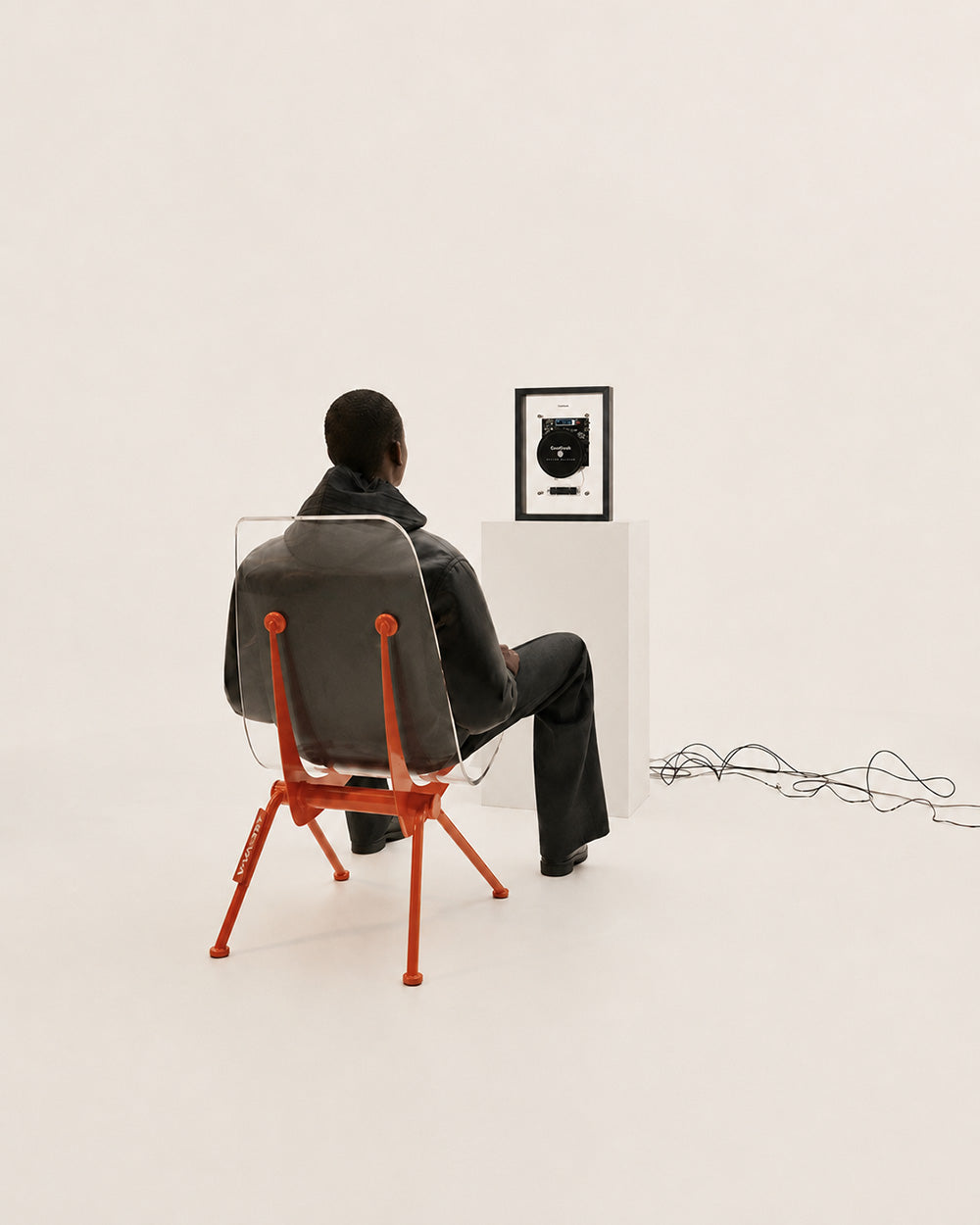
Because vinyl should feel intentional, not intimidating.

Vinyl Is Back, But the Way We Live Has Changed
Vinyl has always carried a certain magic.
The large album cover.
The visible groove.
The quiet moment before the needle touches the record.
The feeling that music is about to become something physical.
But today’s listeners do not live the same way people did decades ago. Homes are smaller, routines are faster, and many people are discovering vinyl after years of streaming, Bluetooth speakers, and instant playlists.
That creates a new question:
How can vinyl keep its ritual without feeling difficult?
This is where an automatic turntable makes sense today.
It does not remove the beauty of vinyl. It removes the unnecessary hesitation around it. You still choose the record. You still see the album. You still hear the warmth and texture of physical playback. But the turntable helps with the part that can feel delicate, technical, or easy to get wrong.
For modern listeners, that balance matters.
Vinyl should feel special, but it should not feel stressful.
Less Fear, More Listening

Where exactly should the needle land?
What if the tonearm drops too hard?
What if the record ends and the needle keeps spinning?
What if someone forgets to lift the arm?
These concerns may sound small, but they change behavior. When a product feels fragile or complicated, people use it less often.
An automatic turntable solves this by making the first step easier.
With automatic start and stop, the listener can focus on choosing the music rather than worrying about the mechanism. The experience becomes more relaxed, especially for people who are new to vinyl, sharing it with family, or listening while doing something else nearby.
That does not make the experience less authentic.
It makes it more accessible.
The best music products are not the ones that make users prove they are experts. They are the ones that help more people enjoy music with confidence.
The Ritual Still Belongs to You

Some people think automatic means less ritual.
But the ritual of vinyl was never only about manually moving the tonearm. It was about choosing an album, holding the sleeve, placing the record, sitting down, and listening with intention.
An automatic turntable does not take that away.
You still decide what to play.
You still handle the record.
You still experience the album as a complete object.
You still listen differently than you would through a playlist.
What changes is the friction.
Instead of asking the listener to manage every technical step, an automatic system quietly supports the experience. It protects the record, guides the tonearm, and makes the ending feel as considered as the beginning.
That is important because good design should not interrupt the ritual.
It should protect it.
Better for Shared Homes

A manual turntable can be beautiful, but it often becomes one person’s object.
The person who knows how to use it becomes the gatekeeper. Others may love the music but hesitate to touch the equipment.
An automatic turntable changes that relationship.
It makes vinyl easier to share with a partner, a child, a friend, or someone who has never used a turntable before. The record still feels meaningful, but the product feels less exclusive and less intimidating.
This is especially useful in homes where music is part of daily life.
A record can be played during dinner.
An album can be shared on a weekend morning.
A guest can choose something without feeling nervous.
A younger listener can discover vinyl without being afraid of damaging it.
That kind of ease helps vinyl stay alive in modern homes.
Not as a museum object.
But as something people actually use.
Automatic Design Fits Modern Habits

Today’s listening habits are flexible.
People move between streaming, Bluetooth, CDs, vinyl, headphones, speakers, and different rooms. A modern turntable should understand that. It should respect the physical beauty of vinyl while fitting into real routines.
That is why automatic operation feels increasingly relevant.
It works for someone who wants a quiet evening with a full album.
It works for someone who wants music playing while reading.
It works for someone who loves vinyl but does not want a complicated setup every time.
It works for someone who wants the record to stop safely when the side ends.
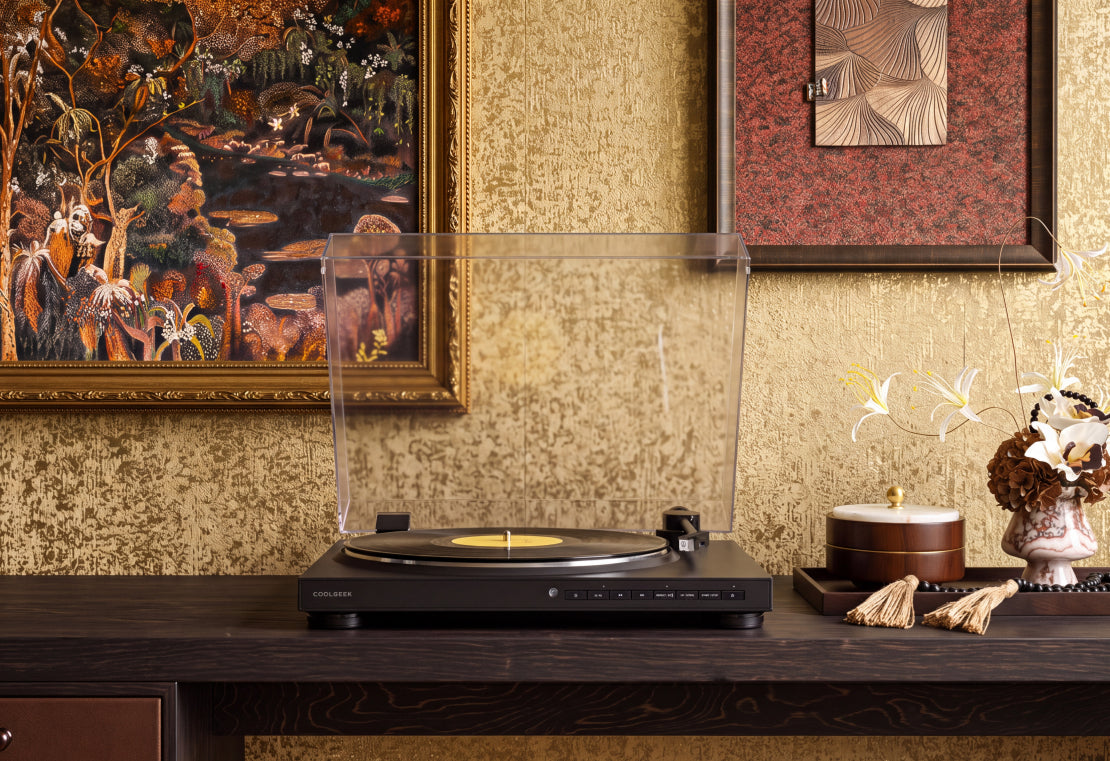
A product like TS-01 belongs in this space. Its value is not only that it plays records. Its value is that it makes the act of playing records feel easier to begin and easier to repeat.
That is often what determines whether a product becomes part of life.
Not whether it can do the most.
But whether people come back to it naturally.
A Smarter Way to Respect the Record

Records are physical objects. They need care.
This is one reason automatic turntables make practical sense. A controlled tonearm movement can help reduce rough handling. Auto-stop can help prevent unnecessary stylus wear when playback ends. A clearer control flow can help users feel more comfortable with the format.
The point is not to make vinyl effortless in a digital way.
The point is to make vinyl thoughtful.
A good automatic turntable should feel like a careful assistant. It should not dominate the experience. It should stay in the background until it is needed, making the process smoother without taking away the emotional part of listening.
That is the difference between convenience and care.
Convenience says: do less.
Care says: enjoy more, with less worry.
Why It Makes Sense Now

An automatic turntable makes sense today because it answers a modern problem.
People still want physical music, but they do not always want complicated equipment. They want ritual, but not anxiety. They want beauty, but also usability. They want a product that feels meaningful without demanding too much technical confidence.
That is exactly where automatic design becomes valuable.
It helps vinyl feel more open.
More repeatable.
More shareable.
More suitable for everyday life.
Manual turntables will always have their place. For some listeners, full manual control is part of the pleasure. But for many people today, the best turntable is the one that helps them listen more often.
Because the purpose of a turntable is not to test the listener.
It is to bring the listener closer to the music.
And if automation helps more people start the record, stay with the album, and return to vinyl again tomorrow, then it does not weaken the ritual.
It keeps it alive.
Share:
Looking for a Gift They'll Actually Use Every Day?