

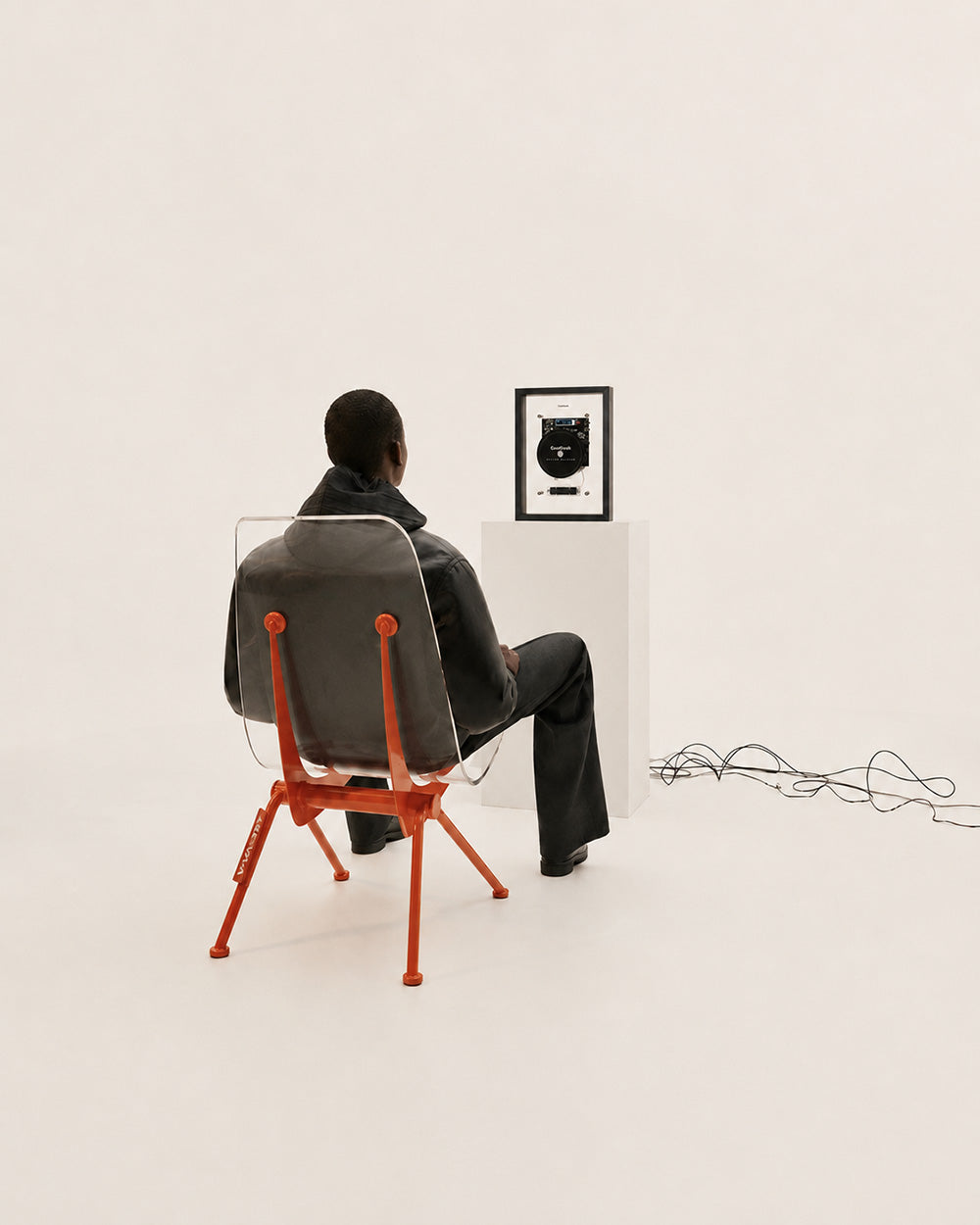
A useful Black Friday wishlist is a plan for a real listening need, not a collection of attractive discounts.
The easiest Black Friday mistake happens before checkout: you decide what you want while looking at what is discounted.
Suddenly a room that worked yesterday appears to need three new components. A better wishlist begins away from the sale page. Walk into the room where you listen and identify one thing you would like to do that the present arrangement does not handle well.
That gives the shopping decision a purpose before promotions have a chance to define it.
The room is not simply a container with a length and width.
It includes the person who shares the sofa, the desk that has to remain usable, the power socket behind a cabinet, and the volume appropriate for an ordinary evening. Those constraints are useful information. They can turn a vague desire for better audio into a specific brief. In a season of rapid comparison and repeated offers, a brief is what allows you to distinguish an opportunity from a distraction.
It includes the person who shares the sofa, the desk that has to remain usable, the power socket behind a cabinet, and the volume appropriate for an ordinary evening. Those constraints are useful information. They can turn a vague desire for better audio into a specific brief. In a season of rapid comparison and repeated offers, a brief is what allows you to distinguish an opportunity from a distraction.

Name the Missing Job
Write the need as a verb. Play the CDs that are already owned. Hear a podcast at the desk. Listen to a record without moving furniture. These statements are easier to test than phrases such as upgrade the room or improve the vibe. If you cannot describe the missing job, pause the wishlist.
You may want a fresh arrangement or more listening time rather than another product, and shopping will not tell you which of those problems matters most.
You may want a fresh arrangement or more listening time rather than another product, and shopping will not tell you which of those problems matters most.
Observe that job for several days. Notice what prevents it: no suitable input, a player stored out of reach, insufficient surface space, or controls that are difficult for another household member to use.
Avoid listing all of these as separate purchasing goals. Rank the one that most often stops listening. A focused wishlist is allowed to contain only one item. Its quality depends on the relevance of the item, not the amount of the eventual order.
Avoid listing all of these as separate purchasing goals. Rank the one that most often stops listening. A focused wishlist is allowed to contain only one item. Its quality depends on the relevance of the item, not the amount of the eventual order.

Map the Whole Purchase Before the Price
A component’s price is only part of the decision. List what it needs in order to perform the job: an existing sound system, a cable, an appropriate surface, or an additional input.
Crutchfield’s home-speaker guide distinguishes traditional speakers used with amplification from powered alternatives, and relates speaker choice to room size and listening habits [1] Crutchfield. That is a useful reminder to compare complete arrangements, not isolated boxes with superficially similar descriptions.
Crutchfield’s home-speaker guide distinguishes traditional speakers used with amplification from powered alternatives, and relates speaker choice to room size and listening habits [1] Crutchfield. That is a useful reminder to compare complete arrangements, not isolated boxes with superficially similar descriptions.
Write down the total amount you are willing to spend on that job, including the things needed to use it.
Keep a separate list of optional additions. This prevents an apparently affordable choice from becoming a project through several small purchases. It also makes two alternatives easier to compare.
One may cost more initially but require less supporting equipment; another may make better use of what you own. There is no universal winner without the actual room and system.
Keep specifications tied to decisions. An input matters if it receives the source you use; a wireless function matters if it supports the direction of connection you need. A long feature list is not evidence of compatibility. Confirm the manual or official product information for each shortlisted item, and mark any unresolved question beside it. A wishlist that records uncertainty is more useful than one that silently turns assumptions into requirements.

Reserve a Place Before Reserving a Product
Use the actual room, not an aspirational photograph, as your planning surface. Mark the proposed location with a piece of paper cut to the product’s footprint. Check whether the position leaves room for controls, connections, and ordinary movement. Open the cabinet door, pull out the chair, and reach for the books you use most. These simple actions reveal whether the proposed purchase fits daily life before a package arrives and makes the conflict harder to overlook.
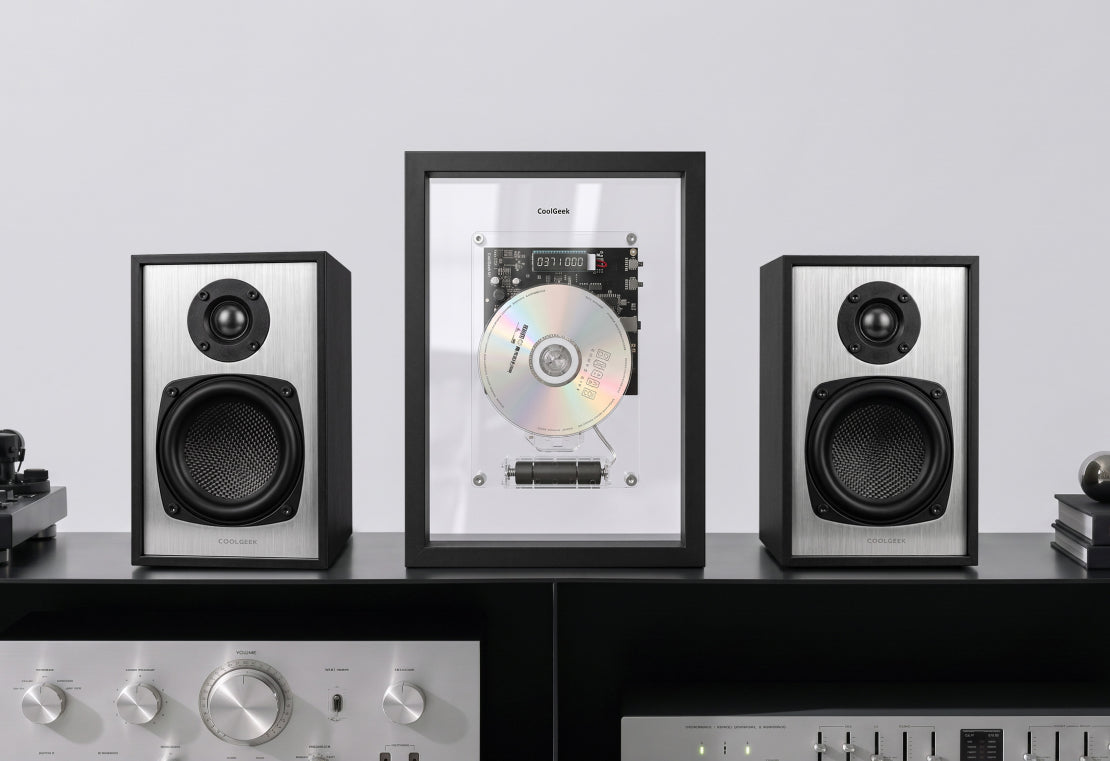
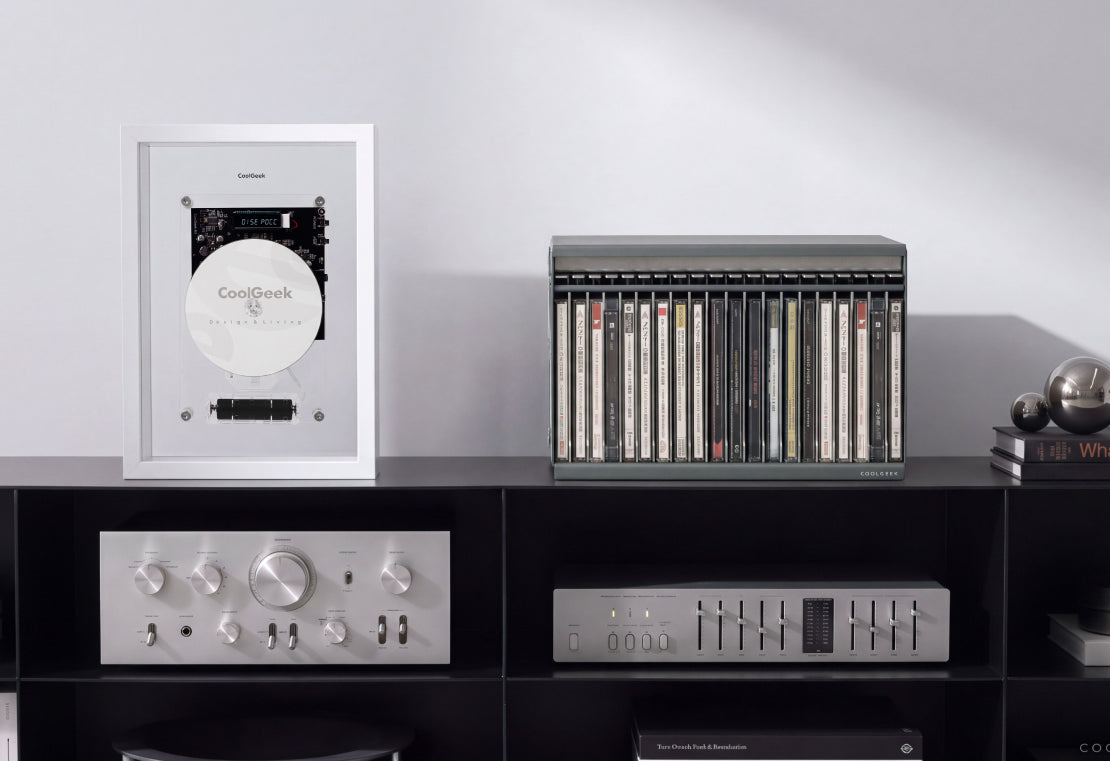
Suppose your brief is to make CDs visible and playable through speakers you already own. COOLGEEK’s M1 supports Bluetooth and 3.5mm audio output, but has no built-in speakers [2] COOLGEEK. It can be a candidate for that specific brief because it supplies the missing playback role. It should not be shortlisted as a self-contained room speaker. This distinction is more important than any temporary saving: the product has to solve the problem you wrote down.
If the intended location does not work, revise the plan before adding a second item to compensate. A smaller accessory may be appropriate; a different position may be enough; sometimes the right choice is to wait. The room should not have to absorb a sequence of purchases made to justify the first one. Treat a failed fit check as useful progress. It has removed an unsuitable option without consuming space, attention, or money.

Use a Shortlist with a Stopping Point
Once the brief is clear, keep the shortlist small. Compare each candidate against the same few questions: does it perform the missing job, work with existing equipment, fit the reserved place, and stay within the complete budget? Keep your answers visible when you look at offers. This reverses the usual browsing pattern. Instead of collecting features and inventing a use for them, you are asking a product to earn a place in a plan that already exists.
Before checkout, reread the original sentence describing the job. If the item no longer answers it, remove it from the list. Keep any genuinely interesting but unrelated product in a separate future-notes file, where it can be considered without sale pressure. A wishlist is most useful when it protects priorities. Black Friday can then become a chance to act on a considered need, rather than a deadline for discovering what you might want.

Build the list from one missing job, map the full arrangement, reserve a real place, and define when the search ends. That process makes the room an active part of the decision instead of an afterthought. A successful Black Friday purchase does not have to be the biggest discount or the longest feature list. It should be the item you can point to later and say: this made a particular part of listening easier.

Share:
Keep Your CDs Playing: A Practical Guide to Everyday Disc Care