

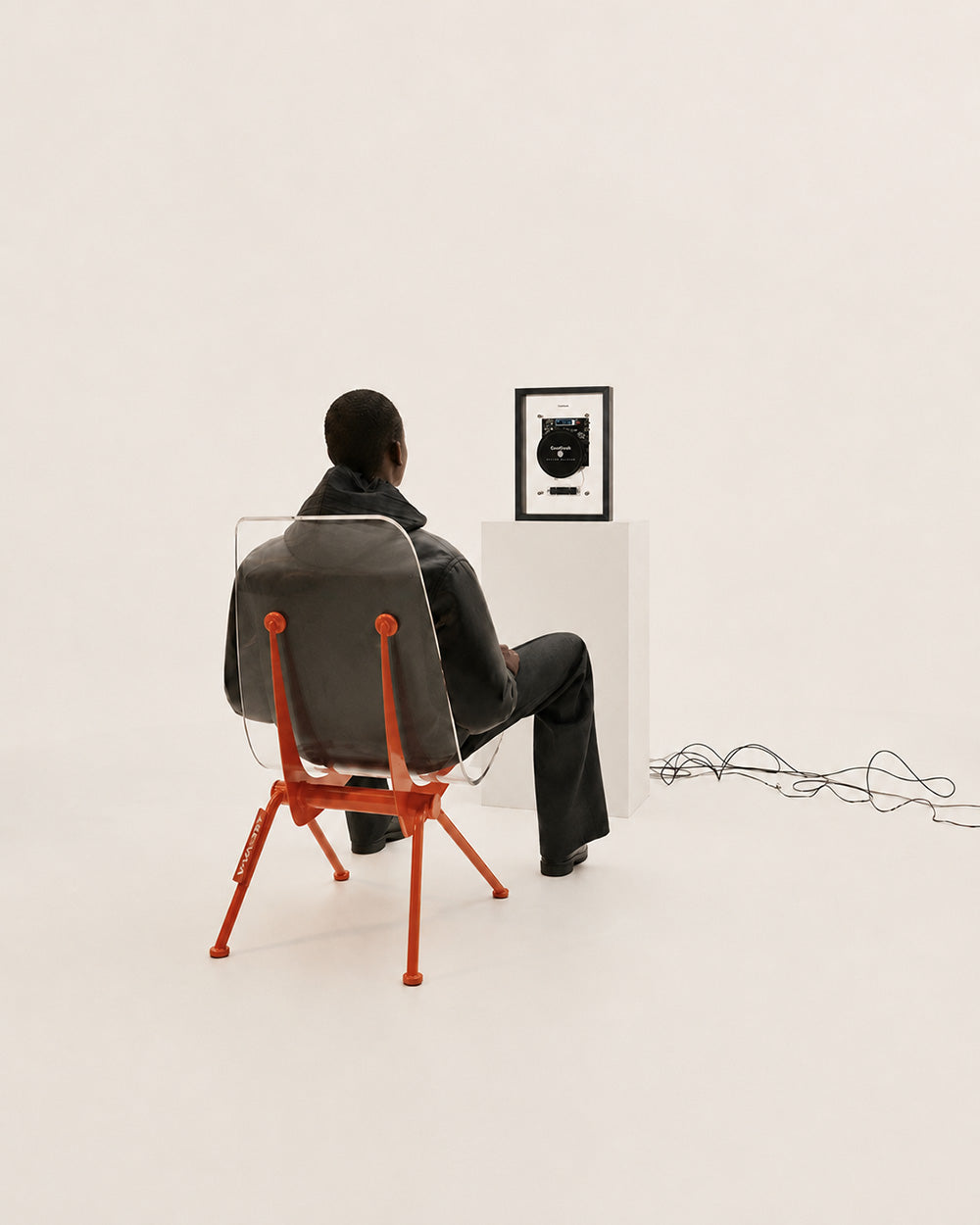

Technology Moves Fast. Furniture Stays.
Technology usually enters our lives with excitement, but often leaves without ceremony.
A phone is replaced after a few years. A laptop eventually becomes outdated. Many electronic products are designed around rapid
upgrades, short product cycles, and the promise of something newer.
Furniture follows a different philosophy.
A well-crafted dining table, bookshelf, or lounge chair rarely feels obsolete. Instead, it becomes more familiar over time. It gathers memory, develops character, and gradually earns a permanent place in the home.
Perhaps audio products deserve the same future.
At their best, home audio products are not simply tools for playback. They sit in the background of quiet mornings, accompany conversations after dinner, and shape the atmosphere of a room even when no music is playing.
The best audio design should not only sound good today. It should also feel worth living with for years to come.

Built for More Than Specifications
When people shop for audio equipment, they often compare power, connectivity, features, and technical performance.
These things matter.
But specifications only explain how a product performs today. Design determines whether someone still wants to keep it tomorrow.
Think about furniture that remains beautiful after ten years. Its value is not measured only by durability. It comes from proportion, materials, craftsmanship, and a form that still feels calm as trends change.
Great audio products should offer that same emotional longevity.
Instead of becoming another outdated device hidden in storage, they should remain visible, appreciated, and naturally present in the home.
This is part of the thinking behind TS-01.
It should not feel like a temporary gadget. It should feel like a listening object that belongs on a sideboard, in a living room, or beside a favorite chair.
The same idea appears in M1, where the CD is not hidden away. It is framed, displayed, and turned into part of the room.
Because the best technology eventually stops feeling like technology.
It simply becomes part of home.

Materials That Grow More Beautiful
Some materials become more rewarding with time.
Solid wood deepens in tone. Brushed aluminum gains quiet character. Acrylic and glass reflect changing daylight through different seasons. Fabric textures soften the presence of a product and help it sit more naturally in a room.
Unlike disposable plastic shells, quality materials encourage long-term ownership.
Every small mark tells a story. Every surface reflects use, care, and memory.
That is why home audio should be material-led, not trend-led.
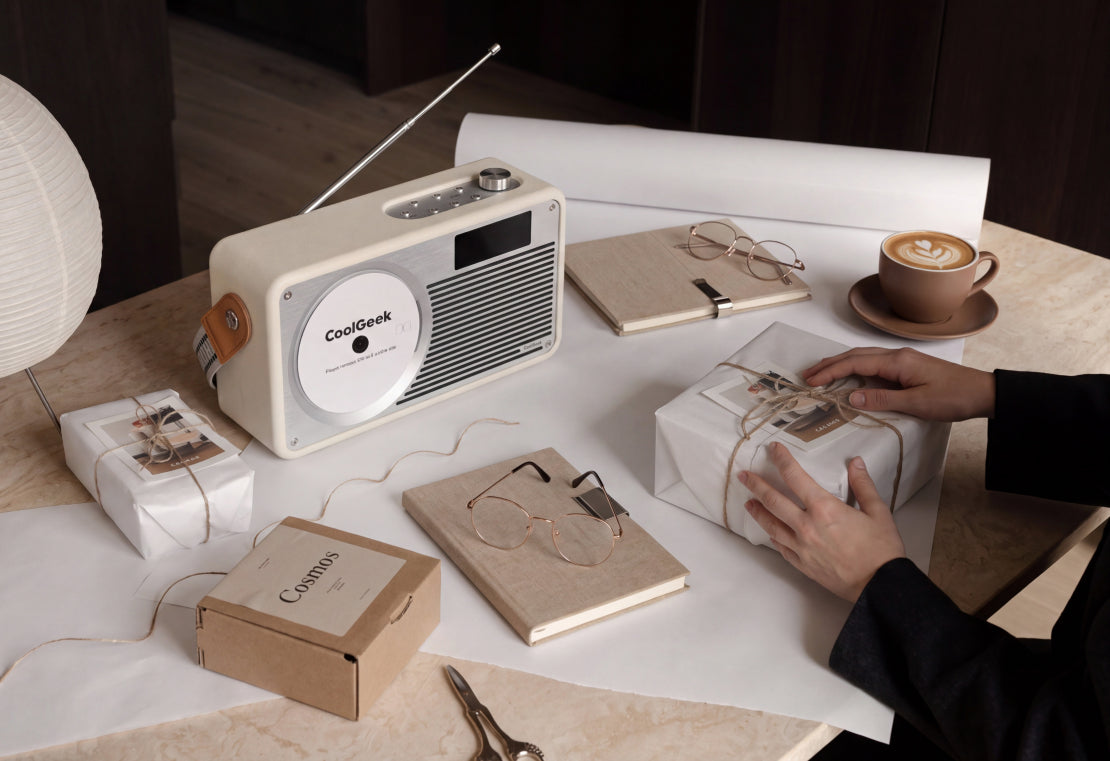
A product like R1 already speaks the language of furniture: texture, warmth, proportion, and tactility.
M1 expresses this differently, using transparency and framing to make music feel intentional, visual, and collected.
A product does not always need to remain perfect.
Sometimes it simply needs to remain meaningful.

Designed for Everyday Living
The most successful home products do not constantly demand attention.
They quietly support daily routines.
A side table holds your morning coffee.
A bookshelf keeps the stories you return to.
A music player shapes mood, pace, and atmosphere.
Good design does not compete with a room. It completes it.
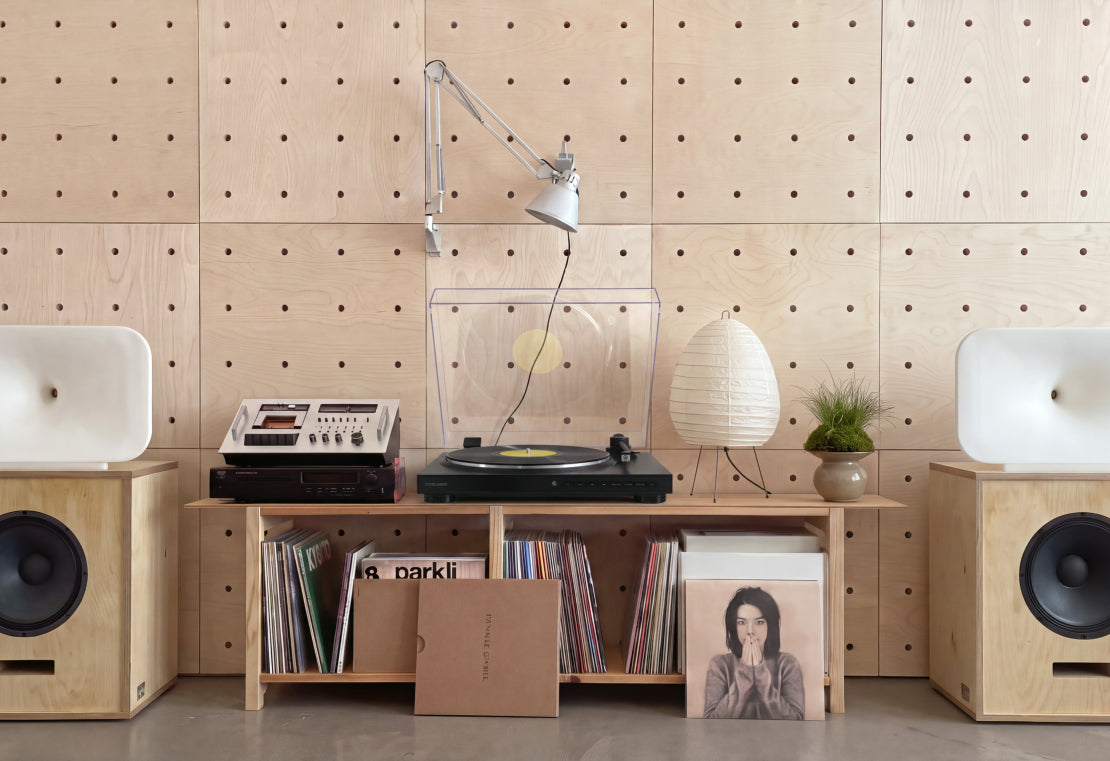
When audio products are designed with architecture, furniture, and interior spaces in mind, they begin to feel less like electronics and more like lasting household objects.
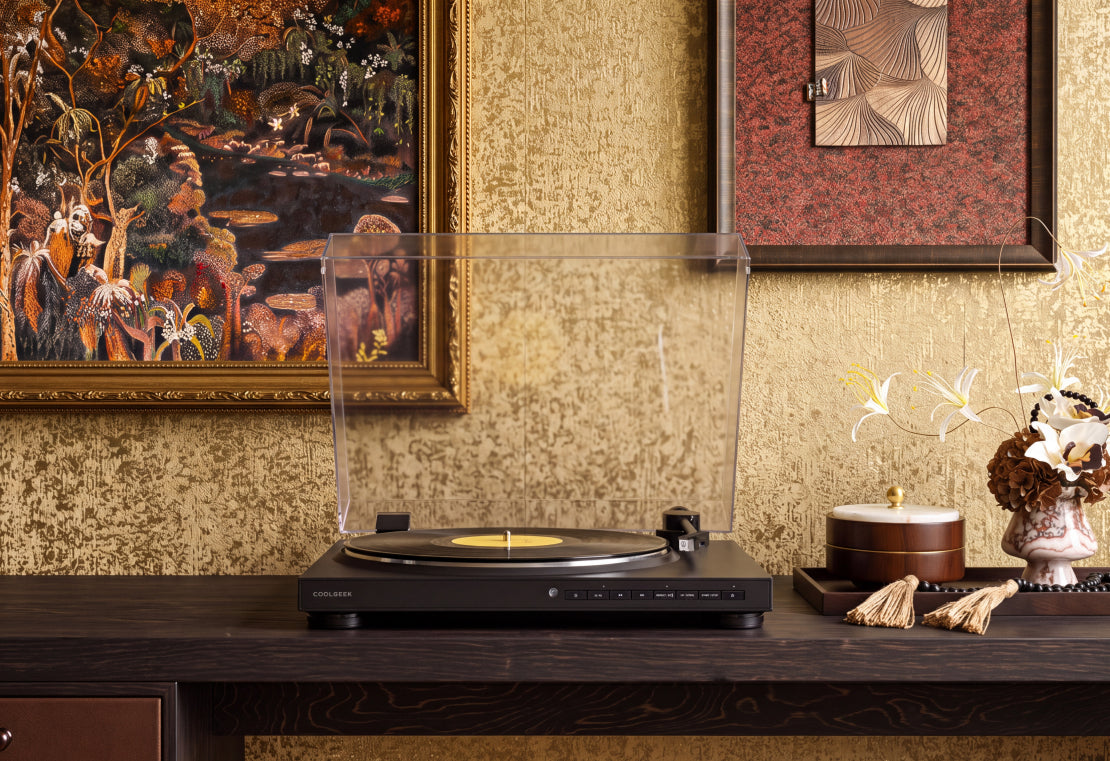
A turntable such as VS-01 brings ritual into the room. It makes listening visible, intentional, and alive. A product like VS-02 feels more casual and approachable, fitting naturally into daily family moments.
Different products serve different listening habits.
But the best of them share one quality: they belong.

The Beauty of Slow Ownership
Modern consumer culture encourages constant upgrading.
New models arrive every year.
Features multiply.
Specifications improve.
Yet many of the objects people value most were never chosen because they had the latest technology.
They were chosen because they continued fitting naturally into life.
This is the beauty of slow ownership.
People do not keep an object simply because it is old. They keep it because it continues to offer value, beauty, and emotional satisfaction.
A thoughtfully designed audio product becomes part of family routines, celebrations, quiet evenings, and unplanned moments.
The album played during dinner.
The CD a child asks to hear again.
The record shared with friends on a weekend.
Years later, people may not only remember the music.
They may remember the object that was there with it.
Great products do not simply perform.
They become part of people’s stories.

Designing for the Long Run
As homes become more carefully curated, people increasingly look beyond features alone.
They seek products that feel intentional, adaptable, and lasting.
The best audio equipment should not only sound at home. It should look at home, age gracefully, and remain meaningful long after trends have passed.
Perhaps the future of great audio is not about becoming more complicated every year.
Perhaps it is about becoming more timeless every year.
Because the products we truly love are rarely the ones we replace the fastest.
They are the ones we never want to replace at all.
Share:
Why We Still Believe in Physical Music
Music as Part of Interior Design