

How modern music products are moving from separate machines to one more natural listening experience.

One Room, Too Many Devices
For a long time, listening to music at home meant building a system.
You needed a player to read the music. You needed a speaker to hear it. You needed storage or a shelf to keep albums nearby.
Each part had its purpose, but the experience was often divided. The player belonged to one place. The speaker belonged to another. The album collection lived somewhere else. Cables connected everything, but the feeling was not always seamless.
Modern homes have changed.
People still care about sound, but they also care about space, simplicity, and how objects live with them every day. Not everyone wants a complicated setup. Not everyone has room for several devices. And not every listener wants music equipment to look like a technical system.
That is why three devices gradually became one.
The future of home audio is not only about adding more functions. It is about removing the distance between playing, listening, and living with music.

The Player Had to Become Simpler
The first device was the music player.
Whether it played vinyl, CDs, or digital audio, the player used to be treated as a separate machine. It sat on a rack, required cables, and often felt like equipment only certain people knew how to use.
But music should not feel difficult to begin.
A good player should make the first step feel natural: choose an album, place the disc, press play, and listen. When the player becomes more intuitive, music becomes easier to return to.
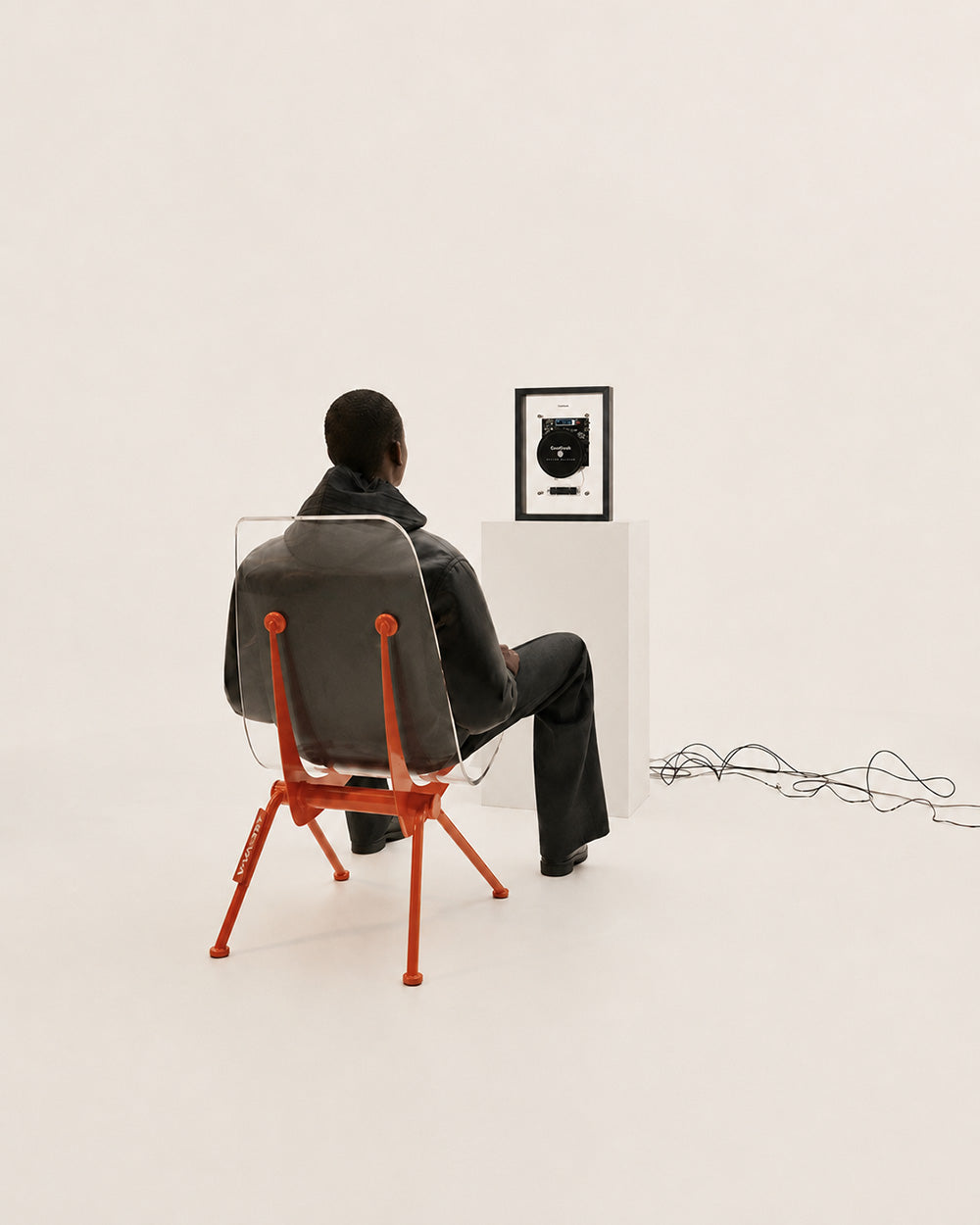
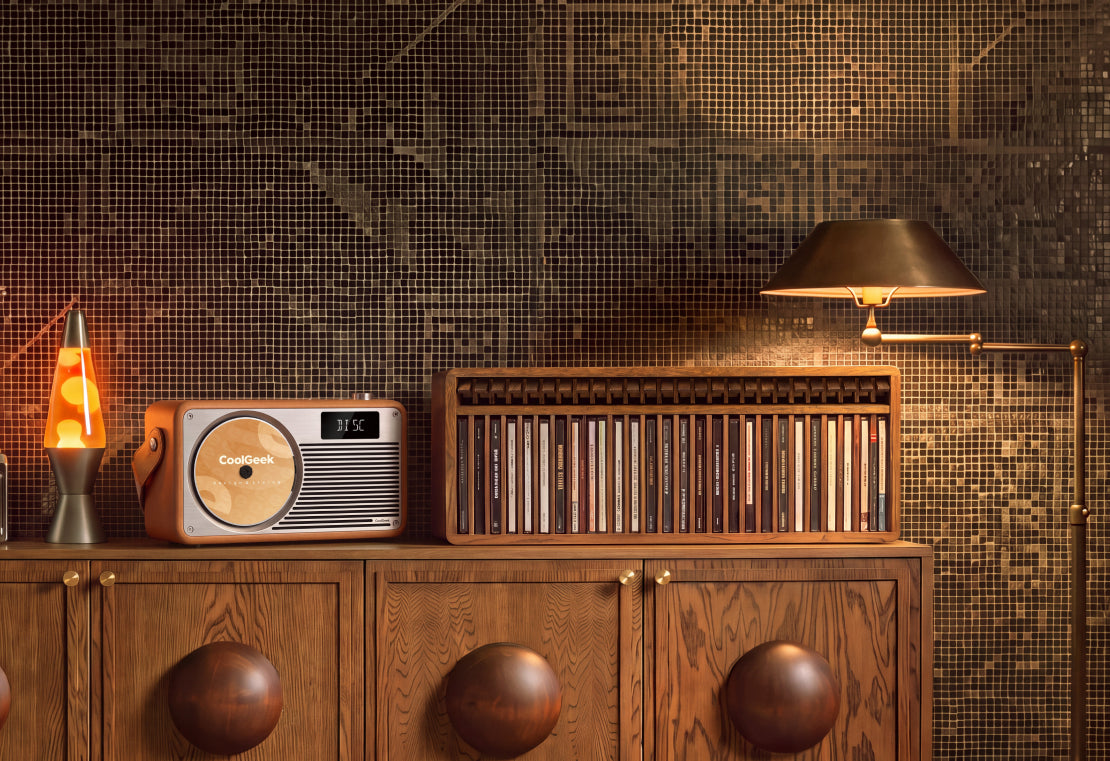
This is why products like M1 feel meaningful. It does not hide the CD mechanism inside a closed box. It makes the disc visible, framed, and understandable. The CD becomes part of the listening experience before the music even begins.
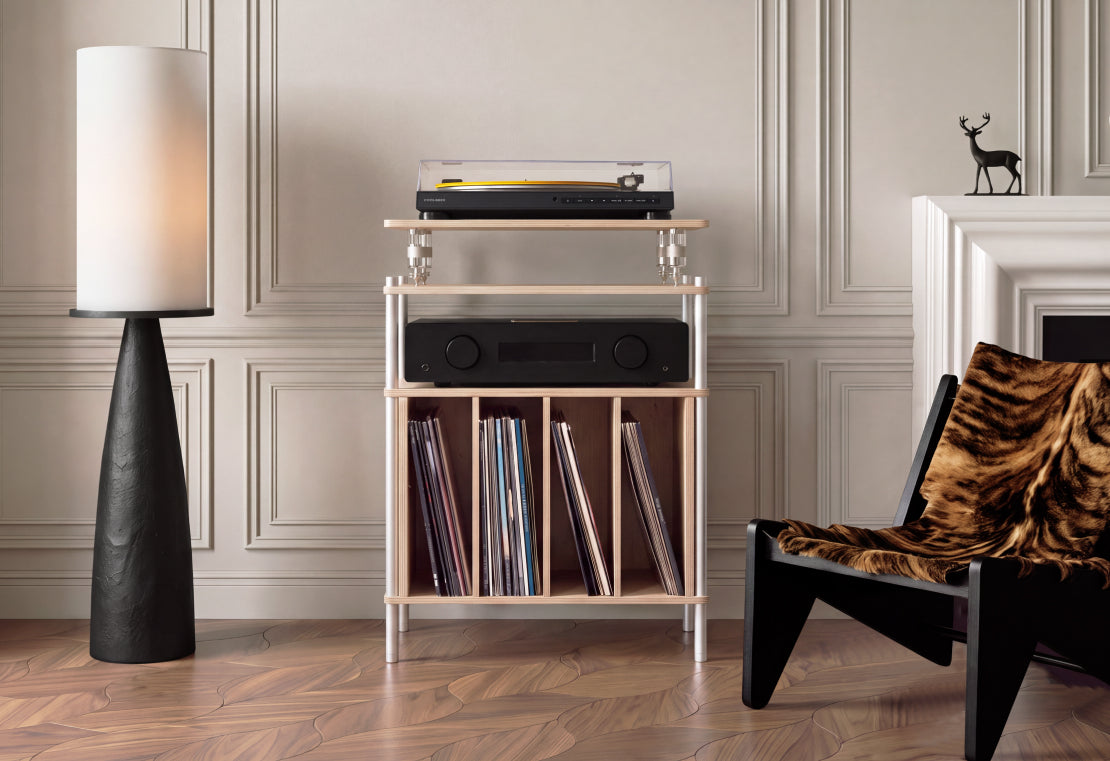
For vinyl, a product such as TS-01 can also simplify the ritual. A turntable should still feel physical and intentional, but it should not feel intimidating. Good design makes the format easier to approach without removing its emotional value.

The Speaker Had to Become Part of the Object
The second device was the speaker.
Traditional systems often separated the player from the speaker. That made sense for performance, but it also created distance. More boxes, more cables, more placement problems, and more decisions before someone could simply enjoy music.
Integrated audio changed this relationship.
When the speaker becomes part of the product, the experience becomes more immediate. You do not think about building a system. You think about playing music.
This is especially important for everyday listening. Many people do not need a complicated setup every time they want music in the morning, during dinner, while reading, or while working at home. They need something that is ready, clear, and easy to use.
A product like VS-02 reflects this direction. It is not only about one function. It combines music playback with a speaker-like presence and a more casual relationship to space. R1 takes another path, bringing audio into a furniture-like form that can sit naturally beside a chair or sofa. In both cases, the speaker is not an isolated box. It becomes part of how the product lives in the home.

The Album Needed a Place to Be Seen
The third device was not always considered a device at all.
It was the album itself.
A record sleeve, a CD cover, or a displayed disc gives music a visual identity. It reminds us what we are listening to. It brings memory, artwork, and personal taste into the room.
But as audio systems became more technical, albums often disappeared into drawers, cabinets, or apps. Music became easier to access, but less visible.
That is changing too.
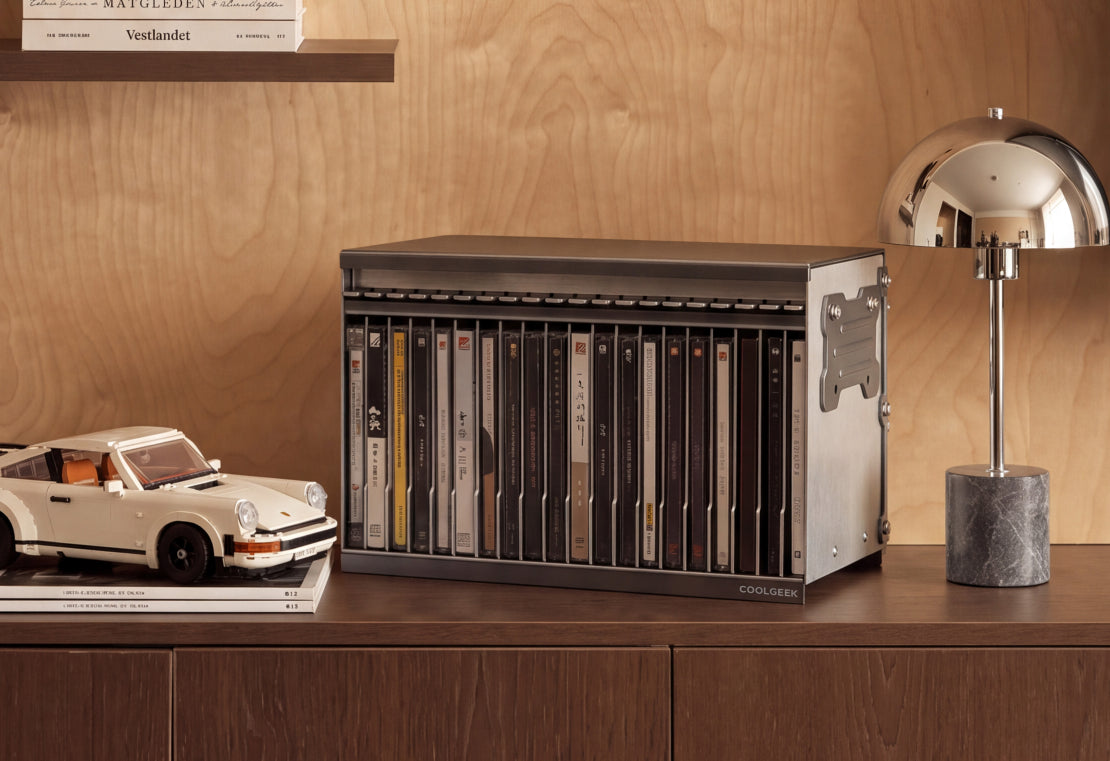
A modern music product should not only play sound. It should also help music stay present. The album deserves a place in the experience.
This is where M1 becomes more than a CD player. It turns the disc into a visual object. The music is not hidden after it is selected; it stays in view. For vinyl, VS-01 takes a similar idea in another form by making the record vertical and visible while it plays.
The album is no longer just storage.
It becomes part of the product’s emotional function.

Integration Is Not About Doing Everything
Combining three devices into one does not mean adding features for the sake of features.
A product becomes stronger only when integration makes the experience clearer.
If three functions are forced together, the result feels confusing. But when playback, sound, and display support each other, the product becomes easier to understand.
The best integrated music products answer simple questions:
Where does the music go?
Where does the sound come from?
Where does the album live?
How quickly can someone begin listening?
Does the product still feel beautiful when it is not playing?
When these answers come together naturally, one device can replace three pieces of friction.
It is not just a smaller system.
It is a more complete one.

Why This Matters for Modern Homes
The reason three devices became one is not only convenience.
It is because modern listeners want music to fit the way they live.
They want fewer objects, but better objects.
They want products that are easier to use.
They want music to feel visible, not hidden.
They want sound without clutter.
They want technology that feels human.
This does not mean traditional audio systems will disappear. There will always be people who love separate components and specialized setups. But for many homes, the most meaningful product is the one that makes music easier to start and easier to share.
That is the direction COOLGEEK continues to explore across products such as M1, VS-01, VS-02, R1, and the newer TS-01: music devices that combine function, form, and daily use into one more natural experience.

Three Became One Because Listening Became More Human
Music has never been only about equipment.
It is about choosing a song, remembering an album, filling a room, and creating a moment.
That is why the player, speaker, and album display are no longer separate ideas. They are parts of the same experience.
Three devices became one because people do not want more machines.
They want fewer barriers between themselves and music.
And when one product can make music easier to play, easier to hear, and easier to live with, it becomes more than a device.
It becomes the beginning of a listening ritual.
Share:
Why Design Matters in Audio Equipment
Looking for a Gift They'll Actually Use Every Day?