

The best music gifts begin with a detail only you would notice.
There is a difference between buying for a music fan and buying for someone you know. The first approach produces a category: headphones, records, speakers. The second produces a reason. Perhaps they still mention the album that accompanied a long drive, or keep a damaged CD case because the disc inside matters. A personal gift begins at that level of detail. It recognises a particular relationship with music, rather than treating enthusiasm as permission to buy any attractive piece of audio equipment.
This matters in a listening culture where discovery is often instant. An artist appears in a short video, a recommendation becomes a playlist, and a favorite track is available within seconds. A gift can offer something different: evidence that another person paid attention. It need not reject streaming or insist that physical formats are more authentic. Its value lies in connecting a useful object, a remembered moment, and the recipient’s own taste. That connection is what this guide is designed to help you find.

Notice the Story Behind the Favorite
Start with a question that invites a story, not a specification. Ask which album they would take on a trip, what they first bought with their own money, or which artist they keep returning to. Listen for the circumstances around the answer. A favorite record might be about a friendship rather than its production quality. Once you understand the story, you can choose a gift that acknowledges it without needing to reproduce the entire experience.
Be careful with assumptions about format. Owning records does not mean collecting every pressing; owning CDs does not mean wanting another player. Someone may love a single album deeply and have little interest in equipment. Look at what they actually keep, display, and use. If they have several copies of a release, ask what distinguishes them before adding another. Specific attention is more useful than general knowledge of what music enthusiasts supposedly want.

Let a Clear Request Be Personal
Surprise is enjoyable, but it is not the only measure of thoughtfulness. Research by Francesca Gino and Francis Flynn found that recipients appreciated requested gifts more than givers expected; givers often overestimated the thoughtfulness of an unrequested alternative [1] Journal of Experimental Social Psychology. The practical lesson is modest: when someone has named a particular album or object, take that preference seriously. Listening to an explicit request can be an expression of care, rather than a failure of imagination.
You can preserve a surprise around a known preference. Choose the requested release, then add a short message about the track you would like to hear together. Give the useful object, but let them select where it lives. This separates the choice that needs to be correct from the gesture that can be imaginative. It also avoids the familiar problem of gifting an ambitious hobby project to someone who wanted a simpler way to enjoy music.
When you genuinely do not know, offer a choice with some shape to it. A visit to a record shop together is more personal than an unexplained instruction to buy anything. Suggest a date and a reason: each of you will choose one album the other has never heard. The gift then includes your time and curiosity. Neither person has to pretend that a stranger’s carefully selected record matches their own taste.

Make the Collection Easier to Enjoy
A collection can suggest a gift without requiring a new audio system. Think about the albums they reach for every week rather than every item they own. A dedicated place for that small selection may be useful beside an existing player. The important question is whether the object makes choosing and returning an album easier. It should support their current routine, not require them to reorganize the whole home to accommodate your present.
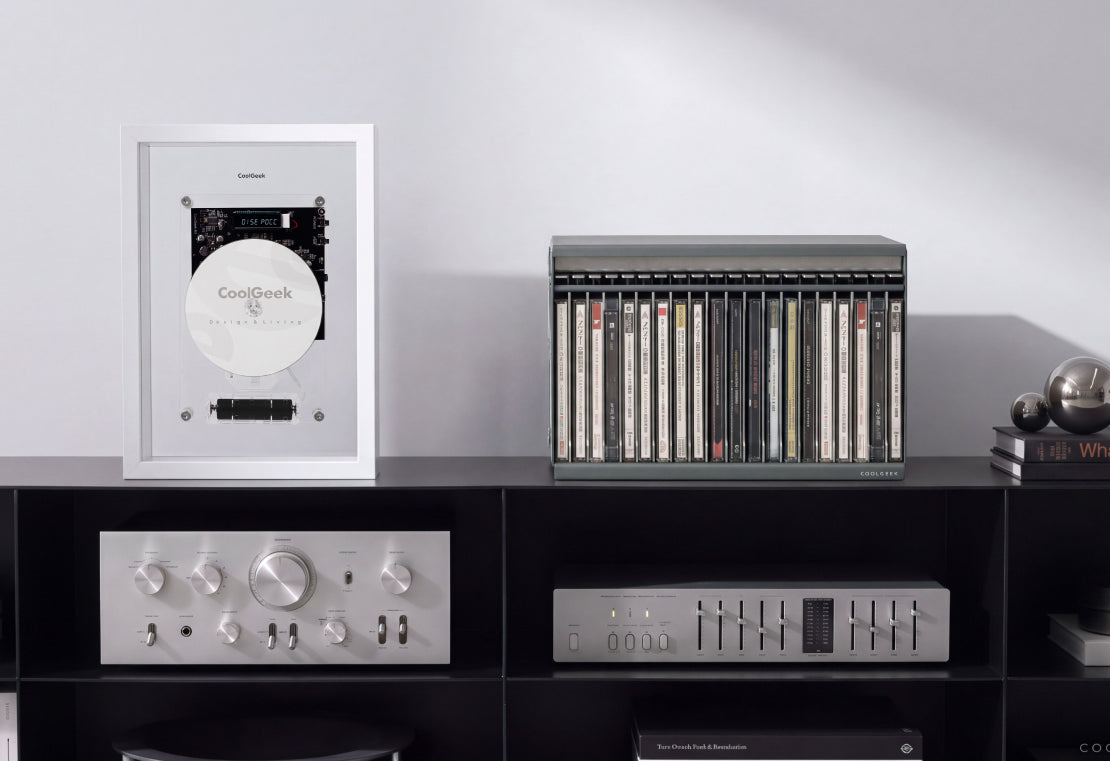
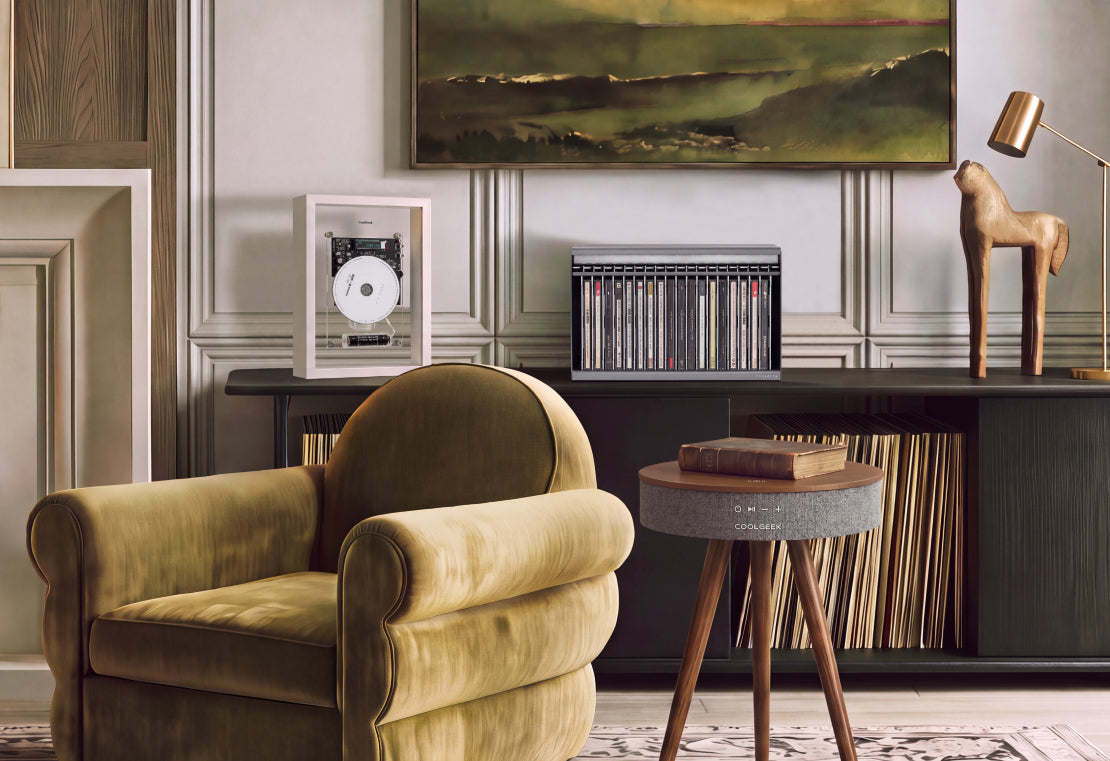
For example, COOLGEEK’s CD Archive Case offers space for up to 20 CDs in one case, with a push-to-access mechanism for selecting a disc [2] COOLGEEK. It could suit someone who already plays CDs and wants a small rotation close at hand. That is a particular role, not a universal gift recommendation. Check whether their collection and available surface suit it, and remember that the discs themselves are not included.
Presentation can make this practical choice feel intimate. Place a handwritten list of a few shared favorites beside the gift, rather than treating the storage object as the whole message. You might explain that the first space is for the album from your last trip, while leaving the remaining choices to them. Avoid loading it with albums you expect them to admire. Personal meaning should invite their participation, not replace their preferences with yours.

Give Them Ownership of the Next Moment
The final detail is often how the gift is offered. A brief note is enough: why you noticed this need, what memory inspired the choice, and what you hope they enjoy. Avoid a speech about how the object will improve their taste. A personal gift respects the person who receives it. Its meaning comes from recognizing their life, not from assigning a new identity as a collector, audiophile, or fan of your favorite artist.
A simple invitation can complete the gesture: choose the first album, and I will listen with you. Then let the recipient lead. They may pick something unexpected, explain a lyric you had missed, or prefer to open the gift privately. Any of those responses can be right. What makes the present personal is the attention that preceded it and the freedom that follows it, not the size of the box or the complexity of the equipment.

Closing
Choose a music gift that can answer one clear question: why this, for this person? A remembered album, a practical place for favorite discs, or time spent listening together can each provide a good answer. Follow the recipient’s preferences, keep the gesture specific, and allow the gift to become part of their life in their own way. That is how an ordinary object acquires a story worth keeping.
Share:
Why a Good Music Setup Starts With the Room
Keep Your CDs Playing: A Practical Guide to Everyday Disc Care